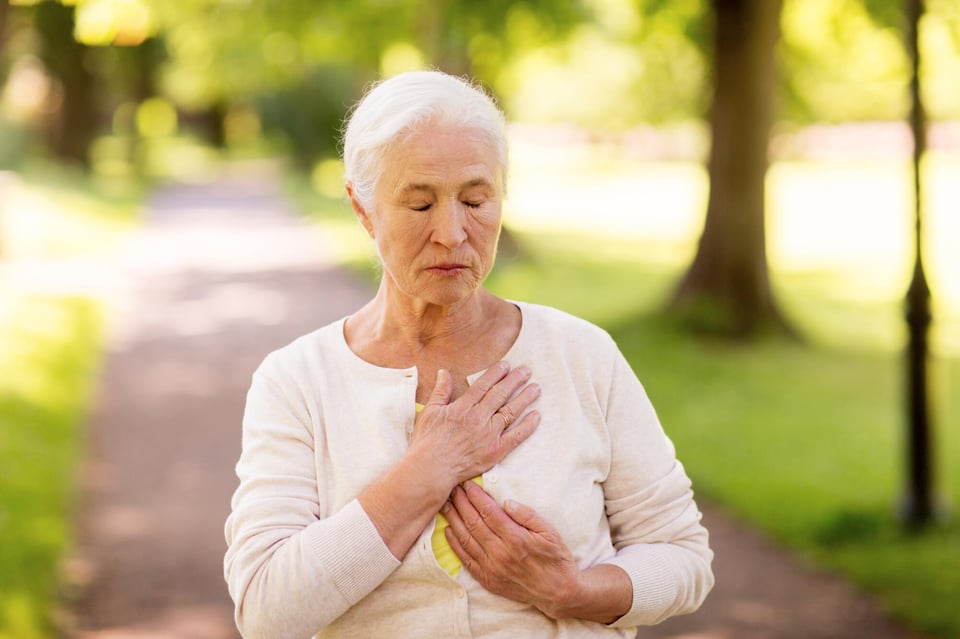
Signs of a silent heart attack show up in ways that feel like no big deal, such as sudden tiredness or a light ache in the jaw or back, not the sharp chest pain you expect from a regular heart attack. We call this a heart attack without pain or a silent heart event, and it can quietly damage the heart muscle, causing overlooked cardiac symptoms that build up to bigger problems.
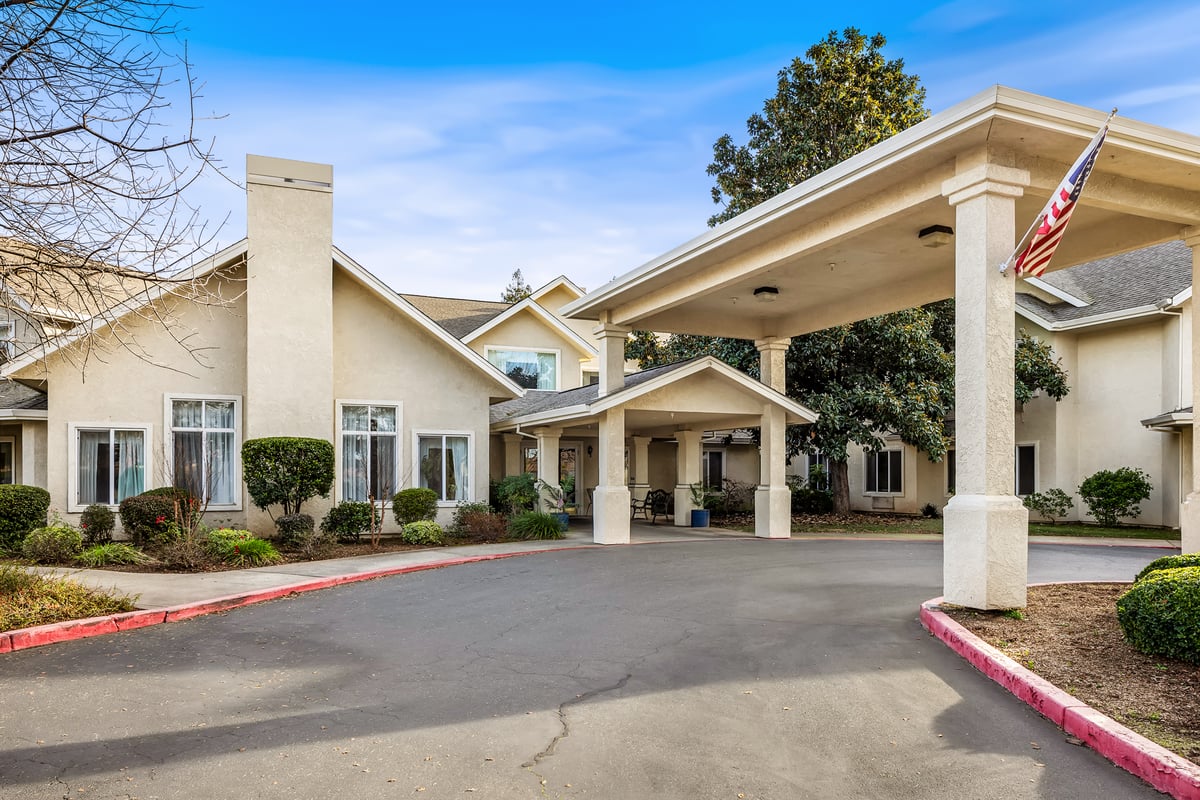
At Marbella Chico, located in Chico, CA, we make senior heart health a top priority with dedicated caregivers ready to support residents in a warm, helpful community. A key study by Li et al. in Clinical Interventions in Aging points out that more than 60% of heart attacks in adults over 60 are silent, which is why older folks and their loved ones should stay alert to these quiet threats.
Can You Have a Heart Attack and Not Notice It?
Yes, folks can go through a heart attack without feeling any big pain at all. We know this as a heart attack without pain or a silent heart event. It sneaks up because the usual chest squeeze or arm ache just doesn't show up.
Instead, the heart muscle gets hurt quietly from less blood flow, and people might not even know it happened until a doctor spots it later on a test like an EKG.
As we get older, our bodies change. Blood vessels might stiffen, or conditions like diabetes can dull the nerves that send pain signals. That means overlooked cardiac symptoms slip by without a fuss. For example, someone might feel a bit off but blame it on a long day or just aging.
At Marbella Chico, we see how these quiet risks play out, so our team keeps an eye on daily wellness. Our caregivers help with things like medication management to catch any early signs. But the key is knowing that yes, these events can happen under the radar.
If you've had odd feelings like extra sweat or dizziness without a clear reason, it could point to something more. Talking to a doctor about tests can clear things up and keep your heart in check.
What Are the Warning Signs of a Pending Heart Attack?
Warning signs of a heart attack on the way can be sneaky, especially the subtle ones tied to a silent heart event.
Folks often think of sharp chest pain, but signs of a silent heart attack might show as mild stuff like feeling out of breath during easy tasks or a sudden wave of tiredness that won't quit. Other clues include light aches in the jaw, neck, or back, or even stomach upset that feels like bad food but lingers.
Seniors might miss these because they blend with normal aging. Who hasn't felt worn out after a busy morning? Or chalked up a queasy belly to something they ate?
But when these add up, say, shortness of breath with a bit of sweat or dizziness, it could signal trouble. Women and those with diabetes often face these quieter signs more. That's why tuning in to your body helps.
Keep a simple note of when these happen, like after meals or rest.
To monitor, start with the basics. Check your blood pressure at home if you can, and watch for patterns. If fatigue hits hard or breathing gets tough without effort, reach out to a health pro right away.
How Can Lifestyle Choices Reduce Cardiovascular Risks in Aging?
Making smart choices every day can lower those cardiovascular risks in aging and keep your heart stronger as years add up. Start with food. Pick meals full of:
- Fruits
- Veggies
- Whole grains
- Lean proteins
Cut back on salty snacks and sugary treats to ease the load on your heart.
Exercise fits in next; aim for gentle moves like walking or swimming that get your blood flowing without strain. Even 30 minutes most days can make a difference.
Don't forget stress. Things like deep breaths or chats with friends help keep it low. Quitting smoking is huge too, as it drops heart risks fast.
Frequently Asked Questions
What Causes a Silent Heart Attack in Seniors?
Silent heart attacks in seniors often stem from the same issues as regular ones, like:
- Blocked arteries from plaque buildup
- High blood pressure
- High cholesterol
- Smoking
- Diabetes
As folks age, their bodies might not send strong pain alerts anymore, so these attacks slip by unnoticed. Women and those with family heart history face higher odds.
How Is a Silent Heart Attack Diagnosed?
Doctors usually spot a silent heart attack during routine checkups or tests for other reasons. An EKG can show old damage from lack of blood flow, while blood tests look for proteins like troponin that spike after heart trouble. Echo tests use sound waves to check heart function and reveal scars.
Sometimes, stress tests or scans catch it when symptoms aren't clear. If you've felt off lately, a quick doctor visit can uncover this.
Can Silent Heart Attacks Lead to Long-Term Complications?
Yes, these quiet events can cause ongoing issues like heart failure, where the heart weakens from unseen damage. They raise the chances of:
- Odd heart rhythms
- Strokes
- Another attack down the road
- Scarring in the heart muscle
Regular check-ups catch issues early, but daily habits build the real shield. In Chico, CA, seniors have great spots for this. Bidwell Park's easy trails invite light walks that boost heart health while enjoying the fresh air.
At Marbella Chico, we make these choices easier. Our chef-created menus focus on tasty, heart-friendly options that residents love. The calendar of events keeps everyone moving with group activities that build connections and reduce loneliness.
Protect Yourself From Signs of a Silent Heart Attack
Spotting signs of a silent heart attack early can make all the difference in keeping your heart strong as you age. Smart habits, from better eating to staying active, cut down those risks and help you feel your best.
At Marbella Chico in Chico, CA, we stand out with our Elevate® Dining program that serves up tasty, heart-smart meals made fresh with California's best flavors and checked by a diet expert to fit needs like managing blood pressure or diabetes.
Give us a call at Marbella Chico or swing by for a tour!